

Well-Watered Women vs Overcomers Journal: Which Fits Your Season?
Last Updated: November 19, 2026
Quick Summary
Choose Well-Watered Women if your quiet time feels dry and you want Scripture to set the agenda, while the Overcomers Journal fits you if you have named a struggle and need prompts toward renewal and freedom. Both are guided faith-based journals with written prompts, so match the journal to the season you are actually in.
- Well-Watered Women leans toward Scripture-saturated, slow devotional reflection with a repeatable rhythm.
- Overcomers Journal leans toward renewal, freedom, and pressing through struggle with breakthrough-oriented prompts.
- Choose neither yet if you are in acute crisis or active grief; start with pastoral care or counseling.
- A useful guided Bible journaling rhythm has five steps, from reading context to answering the prompt.
- Wellness 365 costs $49.99 and covers 365 days of prompts across 14 areas of wellness.
Table of Contents
- Well-Watered Women vs Overcomers Journal: The Quick Comparison
- What Each Journal Is Built to Do
- A Christian Journal for Anxiety and Renewal: What to Look For
- Guided Bible Journaling: How Prompts Change Your Quiet Time
- Choosing a Faith-Based Journal for Women in Transition
- Practical Details: Price, Availability and Value
- What Journaling Can and Cannot Do for Grief and Anxiety
- Pick Your Journal and Start Your First Entry This Week
- Frequently Asked Questions
Well-Watered Women vs Overcomers Journal: The Quick Comparison
Choosing between the well watered women vs overcomers journal comes down to one question: what season are you in? The right journal is the one that meets you where you actually are, not where you wish you were.
Well-Watered Women leans toward Scripture-saturated, slow devotional reflection. Overcomers Journal leans toward renewal, freedom, and pressing through struggle. Both are faith-based, both use guided prompts, and both ask you to open your Bible. The difference is the posture they invite.
Here is the short version before we go deeper:
| Feature | Well-Watered Women | Overcomers Journal |
|---|---|---|
| Primary focus | Scripture reflection and daily quiet time | Renewal, freedom, overcoming struggle |
| Prompt style | Devotional, Word-centered | Reflective, breakthrough-oriented |
| Best season | Growing roots in daily faith | Walking out of a hard season |
| Format | Guided journal with written prompts | Guided journal with written prompts |
| Price | Varies by edition | Varies by edition |
Neither journal is a blank notebook. That matters more than most buyers realize, and we will explain why below.
Side-by-Side: Format, Prompts and Price
Format is where these two part ways first.
Check each product page for current pricing and shipping before you buy.
What Each Journal Is Built to Do
A guided journal is a book of structured prompts designed to move you through a specific kind of reflection, rather than leaving you staring at empty lines.
Inside Well-Watered Women: Journal the Word
If your quiet time has gone stale, this structure helps. The trade-off: if you are in acute crisis and need to process raw emotion, a Word-centered journal can feel a step removed. It will steady you, but it may not hold the immediate weight of a fresh wound.
Inside the Overcomers Journal: Freedom and Renewal
No journal replaces pastoral care or professional counseling. If you are in a dark place with anxiety or grief, use the journal alongside real support, not instead of it. A journal is a tool in the room, not the whole room.
Which One Fits Your Season
Use this quick matching guide before you buy:
- Choose Well-Watered Women if your quiet time feels dry, you want Scripture to set the agenda, and you thrive on a repeatable devotional rhythm.
- Choose Overcomers Journal if you have already named a struggle, you need language for identity and release, and you want prompts that push toward a next step.
- Choose neither yet if you are in acute crisis or active grief. Start with pastoral care or counseling, and add a journal once you have support in place.
The key is to match the journal to the season you are actually in, not the season you wish you were in.
A Christian Journal for Anxiety and Renewal: What to Look For
A Christian journal for anxiety and renewal should do three things well: anchor you in Scripture, give your racing thoughts somewhere to land, and point you toward action rather than endless rumination. Most journals do the first two. Fewer do the third.
Here is a checklist to consider before buying any faith-based journal for anxiety:
- Does it include actual Scripture, not just inspirational quotes?
- Are prompts specific enough to answer in ten minutes?
- Is there space to record prayers and then revisit them?
- Does it move toward a next step, not just a feeling?
- Is the binding or format something you will actually carry?
- Does it tell you plainly that it is not a substitute for treatment?
That last box matters. Honest journals say so. If you want to see how several options stack up on these criteria, our comparison of Christian journals for anxiety relief walks through five choices side by side.
Guided Bible Journaling: How Prompts Change Your Quiet Time
Guided Bible journaling is the practice of reading Scripture with a written prompt in hand, so that reflection becomes concrete instead of drifting. The prompt is not the point. It is the fence that keeps your attention on the text.
A useful method, drawn from the Abide challenge structure, works like this:
- Read the passage, plus a few verses before and after for context.
- Look it up in two or three translations and note the differences.
- Define the key verbs, because the action words carry the instruction.
- Write what you observe and what the Spirit highlights.
- Answer the prompt in your own words.
That five-step rhythm turns a vague "I should read my Bible more" into a repeatable practice.
If you want a roundup to choose from, our list of the best Christian journals for quiet time covers eight options with this rhythm in mind.
Choosing a Faith-Based Journal for Women in Transition
Transition is its own kind of disorientation. A move, a loss, a singleness you did not plan for, a season ending before the next one is clear. A faith-based journal for women in transition should help you name what is changing and hold it before God.
Ask yourself three questions before you pick:
- What is the dominant emotion right now? Grief and anxiety point toward a renewal-focused journal. Dryness and distance point toward a Word-centered one.
- How much time do you honestly have? Ten minutes daily beats a thirty-minute plan you abandon by week two.
- Do you need structure or space? Some women need prompts to start. Others need room to write freely after a short reading.
If you are squarely in a new season and want a guide built for exactly that, our article on Christian journals for a new season of life helps you match the journal to the transition rather than guessing.
Practical Details: Price, Availability and Value
Value in a journal is not the cover price divided by pages. It is whether you finish it. A journal that sits on the shelf costs you more, in real terms, than one you use daily.
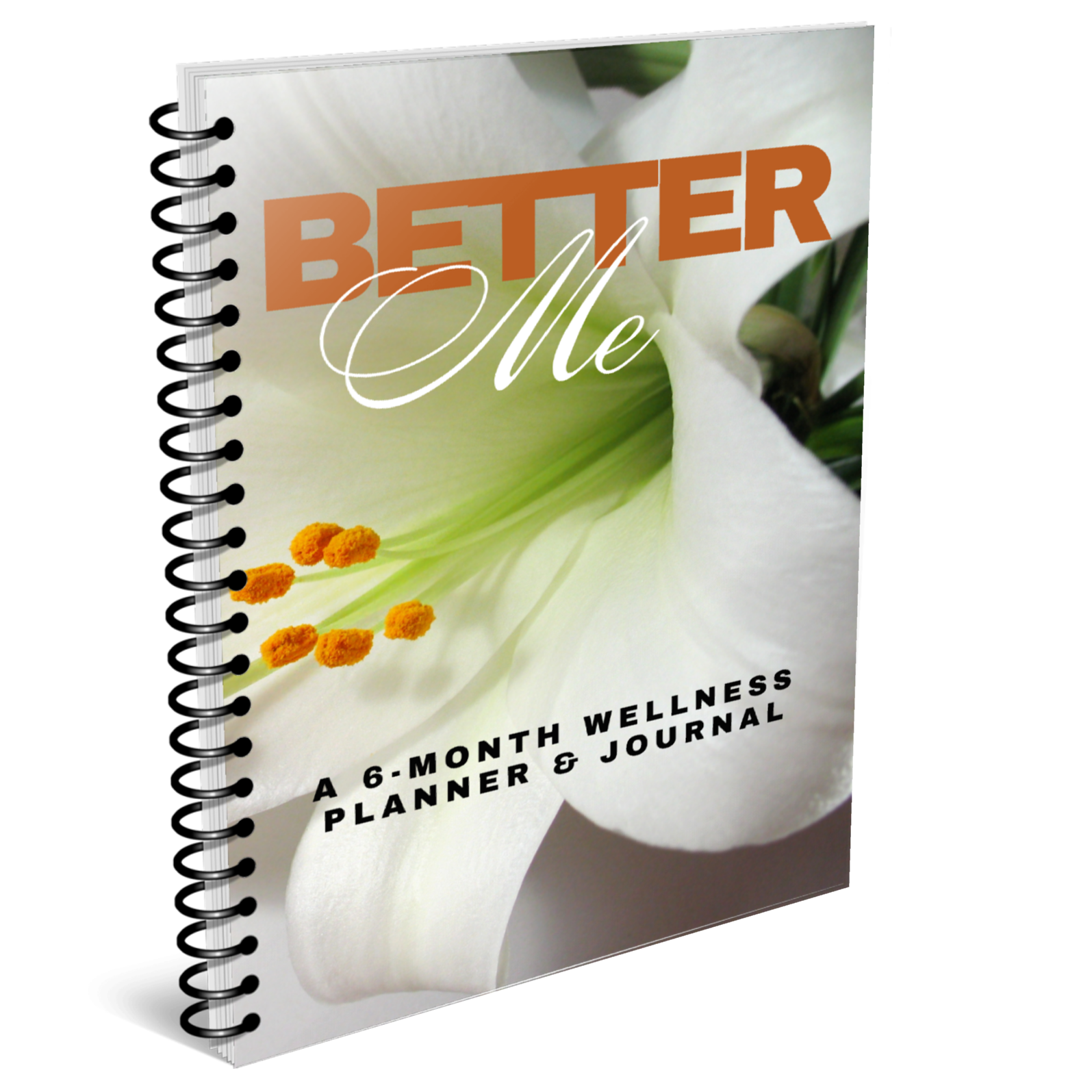
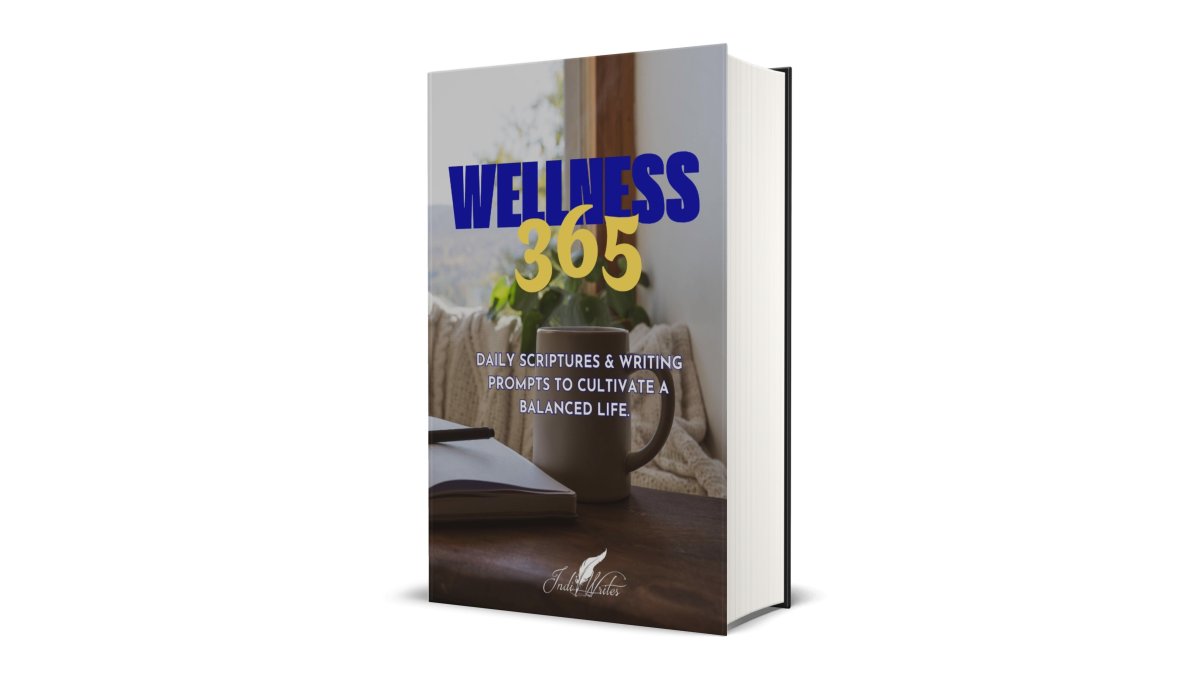
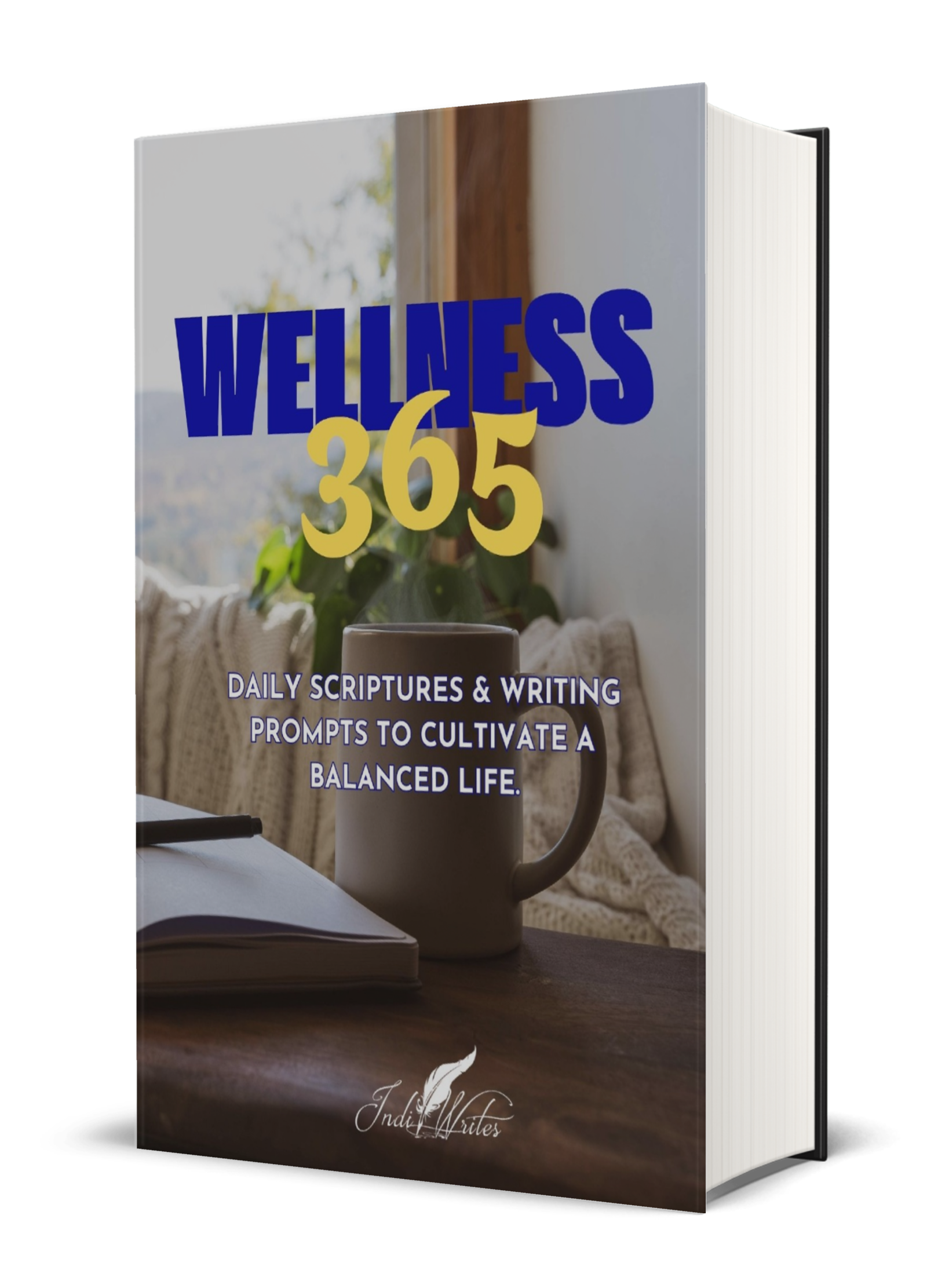
At IndiWrites, we built our own resources around that principle. Wellness 365 is a yearlong guided Christian journal with 365 days of prompts across 14 areas of wellness, including emotional healing, navigating grief, conquering negative thinking, and spiritual growth. It costs $49.99 and includes a complimentary digital companion. Better Me, a six-month wellness planner and journal built on the B.A.L.M. approach, costs $45.00.
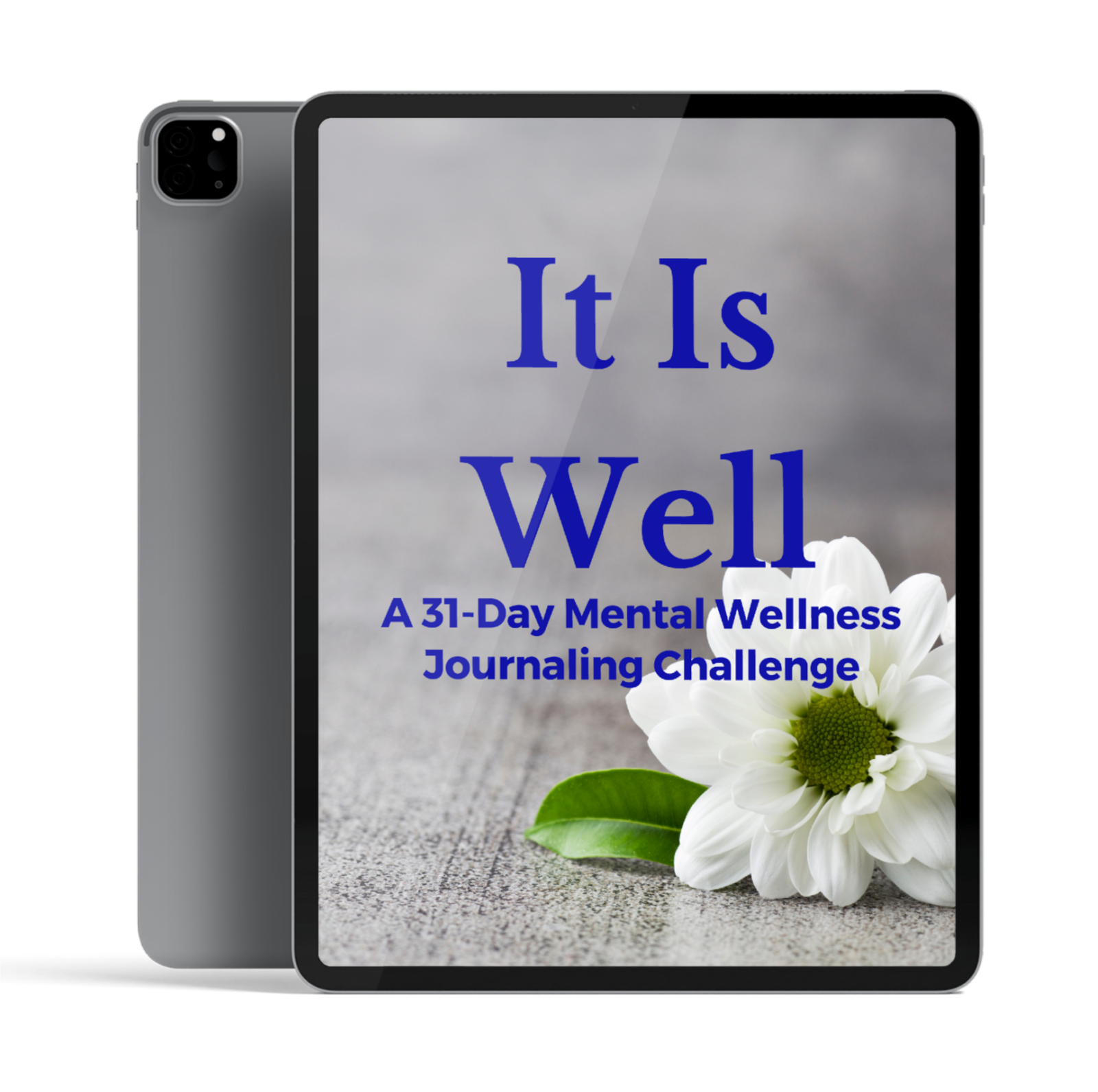
If you want to try the practice before committing to a full journal, our It Is Well 31-day mental wellness challenge is $5.00. You can start with the 31-day mental wellness journaling challenge and see whether daily journaling actually sticks for you.
Prices of IndiWrites guided journals and challenges
What Journaling Can and Cannot Do for Grief and Anxiety
Journaling can help some people process grief and anxiety by giving shape to what feels formless. It cannot heal you, and it cannot replace God, community, or professional care.
What it does not do: it will not diagnose you, and it will not resolve trauma on its own. If anxiety is interfering with sleep, work, or eating, that is a signal to bring in a counselor or doctor. A journal is a tool in the room, not the whole room.
For the grief side specifically, our gentle guide on how to process grief through prayer pairs well with any journaling practice and keeps the focus where it belongs.
Pick Your Journal and Start Your First Entry This Week
Write one entry in the next seven days. The perfect journal you never open helps no one.
If you are growing roots and want Scripture to lead, choose a Word-centered journal. If you are walking out of a hard season and need language for the fight, choose a renewal-focused one. If you want both structure and a long runway, Wellness 365 covers a full year across emotional, mental, physical, and spiritual growth, with a digital companion included and access to our Pen Warriors community. Better Me includes weekly check-ins and monthly overviews.
Get started with IndiWrites and turn one honest page into a daily rhythm of reflection, prayer, and renewal.
Frequently Asked Questions
What is the difference between Well-Watered Women and Overcomers Journal?
Read the sample pages of each journal before buying, since the prompt style is the real difference.
Can a Christian journal help with anxiety and renewal?
A Christian journal for anxiety and renewal gives you a structured place to name what you fear, write out Scripture, and record prayers and praises over time. That rhythm of reflection supports emotional well-being for many women. It is not therapy and does not replace professional help. If anxiety is severe or ongoing, speak with a doctor or licensed counsellor alongside your journaling practice.
How do I choose a faith-based journal for women in a new season?
Start with the season, not the cover. In grief, look for prompts on loss and lament. In transition, look for identity and purpose sections. For daily disciplines, choose a dated or 31-day structure that keeps you accountable. Check whether the journal offers guided Bible journaling prompts, space to record prayers and praises, and a length you can realistically finish. A 31-day challenge is a low-risk way to test the habit before committing to a yearlong journal.
Is a guided journal better than a blank notebook?
A blank notebook asks you to invent the structure every day, which is where most journaling habits stall. A guided journal supplies the prompt, the Scripture and the reflection question, so you open it and start writing. That structure matters most in hard seasons, when decision fatigue is high. If you have tried blank notebooks and quit, a guided format with daily prompts is the more realistic next step.
