

7 Ways to Live Boldly and Intentionally for Religious Merchandise
Last Updated: November 24, 2026
Quick Summary
Living boldly and intentionally for religious merchandise means letting your faith shape both what you wear and how you choose it, so every piece carries purpose instead of impulse. Start with basics you will actually wear, read each verse in context, and let visible faith invite conversation rather than pressure.
- Bible sales were reported 41.6% higher than in 2022, showing growing faith engagement.
- Ask three questions before buying: does it reflect your belief, will you wear it outside church, does it point to Jesus.
- Start with basics you will reach for on a Tuesday, then add bolder designs once the habit is set.
- Answer questions about your faith briefly, ask a question back, and leave the door open.
- Pick one item you will actually use and one practice you will keep, then start this week.
Table of Contents
- What Does Living Boldly and Intentionally for Religious Merchandise Mean?
- Choosing Christian Apparel That Fits Your Everyday Life
- How to Pick Christian Gifts for Women With Real Thought
- Faith-Inspired Journaling as the Practice Behind the Purchase
- Intentional Christian Living: Turning a T-Shirt Into a Testimony
- Answering Questions About Your Faith Without Getting Defensive
- Start With One Journal and One Bold Step
- Frequently Asked Questions
What Does Living Boldly and Intentionally for Religious Merchandise Mean?
Living boldly and intentionally for religious merchandise means letting your faith shape both what you wear and how you choose it, so every piece carries purpose instead of impulse.
Boldness is not the same as volume.
The distinction matters because religious merchandise is a growing category with real weight behind it.
Below, we walk through seven ways to do exactly that, from choosing apparel you will actually wear to answering the questions it invites.
Boldness Is Not Loudness
The loudest faith apparel is not always the most effective witness. What most guides miss is that boldness in Scripture is usually tied to steadiness, not volume. Isaiah 41:10 pairs "fear not" with "I will strengthen you," which is a promise about endurance, not performance.
That reframes the purchase. A T-shirt with one clear Bible verse you wear forty times is bolder than a drawer full of statement pieces you never reach for.
Intentionality Starts Before the Purchase
Intentional Christian living begins in the cart, not the closet. Before you buy, ask three questions:
- Does this reflect what I actually believe? Read the verse in context first.
- Will I wear it outside church walls? If the answer is no, it stays a costume.
- Does it point to Jesus or to a brand? Meaningful design serves the message.
A California State University study on religiosity and retail store choices found that religiosity affects how Christian consumers weigh apparel-store attributes, which suggests faith is already part of how you shop. Naming it out loud just makes the choice deliberate. If you are weighing whether a guided journal fits that same standard, our breakdown of whether guided journals for intentional living are worth it walks through the evaluation.
Choosing Christian Apparel That Fits Your Everyday Life
Christian apparel works best when it fits the life you actually live, not the one you post about.
Here is how we would sort the options:
| Item | Typical Price | Best For | Wear Frequency |
|---|---|---|---|
| Graphic T-shirt | $20-$35 | Everyday errands, layering | 3-4 times weekly |
| Hoodie | $40-$65 | Cool mornings, small groups | 2-3 times weekly |
| Journal or notebook | $15-$50 | Daily quiet time | Daily |
| Faith-inspired accessory | $10-$30 | Gifting, subtle witness | Daily |
Typical Price
A common mistake is buying statement pieces first. Start with the basics you will reach for on a Tuesday, then add the bolder designs once the habit is set.
Comfort matters more than most shoppers expect. If a shirt itches or runs small, it stays in the drawer, and a message nobody sees changes nothing.
Check the Message Before the Design
Read the verse in context before you wear it. A phrase that sounds encouraging on a shirt can mean something different two verses earlier. A quick look at the surrounding chapter can prevent the awkward moment when someone asks what the verse means and the wearer cannot say. If the design paraphrases Scripture, check whether it adds to or subtracts from the original wording.
Ask Where It Came From
Durability and sourcing are the quiet parts of intentional buying. A shirt that fades after five washes or a hoodie with a cracked print is not a long-term testimony; it is a short-term purchase. Look for brands that state their fabric weight, print method, and care instructions. Where a brand publishes information about manufacturing partners or labor standards, read it.
Match the Setting
Faith expression looks different at work, at school, at worship, and at a social gathering. A bold statement tee may be fine on a weekend and out of place in a workplace with a dress code. Before you buy, think through the settings where you will actually wear the item. If your clothing choices are limited by a uniform or a professional dress code, a subtle accessory, a small pin, or a journal on your desk can carry the same intention without crossing a line.
Choose Messages That Fit Your Tradition
Christian traditions differ in how they use symbols, images, and phrasing. A design that resonates in one congregation may feel out of place in another. If you are unsure, choose language that is broadly shared, such as a direct Scripture reference or a simple phrase like "loved" or "grace," rather than a slogan tied to a specific movement. This is not about watering down your belief; it is about choosing a message you can stand behind in every setting you enter.
How to Pick Christian Gifts for Women With Real Thought
Christian gifts for women land hardest when they match the season she is actually in. A friend walking through grief needs something different from a friend starting a new job.
Ask before you buy. A single question, "What are you leaning on right now?", tells you more than a browse through a gift guide. Then match the gift to the answer:
- In grief: a guided journal with space to process, not a cheerful mug.
- In transition: something focused on identity and calling.
- In a dry season: a devotional with structure, not just blank pages.
Packaging and keepsakes matter too. A journal she can return to for a year carries more weight than a trinket she thanks you for once. For specific ideas, our guide to Bible journaling gifts for women who want to grow covers options by season and budget.
Faith-Inspired Journaling as the Practice Behind the Purchase
Faith-inspired journaling is the daily habit that gives the merchandise its meaning. The shirt is a reminder. The journal is where the reminder turns into change.

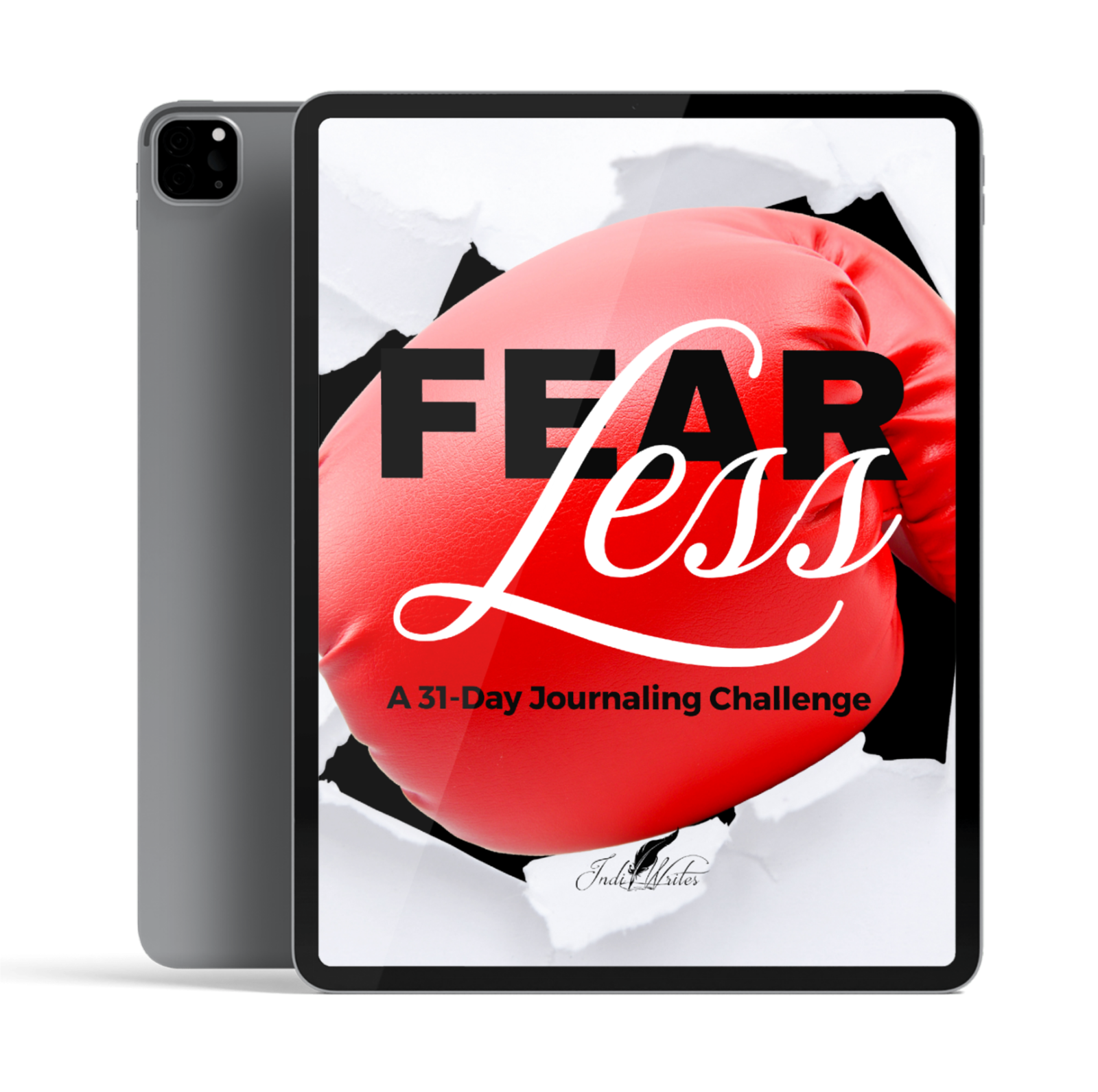
Our own approach at IndiWrites is built on structure rather than blank pages. The Fearless - A 31-Day Journaling Challenge ($5.00) pairs daily Scripture readings, including Isaiah 41:10 and Philippians 4:6-7, with writing prompts and SMART goal-setting steps.
If you are brand new to the practice, our post on how to start journaling for Christian growth is the right first step.
Intentional Christian Living: Turning a T-Shirt Into a Testimony
A T-shirt becomes a testimony the moment someone asks about it. That is the whole mechanism: visible faith invites conversation, and conversation is where belief gets shared.
The research backs the idea that apparel carries meaning.
Living boldly here looks like wearing the verse on the day you least feel it. For more on walking in that kind of courage, read Walk Like You Belong There: The Courage of Crowned Women.
Answering Questions About Your Faith Without Getting Defensive
Defensiveness shuts conversations down faster than almost anything else. Curiosity keeps them open. When someone asks about your shirt, you do not owe them a sermon. You owe them honesty and warmth. Try this three-step response:
- Answer briefly. "It's a verse from Isaiah. It's about not being afraid."
- Ask a question back. "Have you ever read much of the Bible?"
- Leave the door open. "I'd be glad to talk about it anytime."
That is the whole etiquette. No debate, no pressure, no rehearsed apologetics. Watch out: the fastest way to lose a conversation is to treat a casual question as a challenge to win. Most people are simply curious, and a calm answer does more than a clever one.
Listen More Than You Explain
A question about your shirt is often an invitation to be heard, not a request for a lecture. A conversation often goes better when the first response is a question rather than a statement. Ask what prompted the question, or what the person has heard about the verse. Listening does two things: it shows respect, and it tells you what the other person actually needs from the exchange.
Handle Disagreement Without Escalating
Not every question is friendly, and not every conversation will end in agreement. A calm, brief answer is still the right move. If someone challenges your belief, you can say plainly what you believe without treating the challenge as an attack. Avoid the urge to correct every point; a single clear sentence is usually enough. If the exchange turns hostile, it is fine to end it politely.
Know Your Setting
Workplace and school conversations have different rules from a conversation at church. In a professional setting, keep answers short and avoid turning a casual question into a prolonged religious discussion during work hours. If a coworker seems genuinely interested, offer to continue the conversation another time rather than pressing the point in the moment. The same principle applies at school: a brief, friendly answer respects the setting and the other person.
Be Sensitive Across Traditions
Not everyone who asks is a fellow Christian, and not every Christian shares your tradition. A question about a symbol or a phrase may come from someone with a different background or a different conviction. Answer in a way that explains your own belief without implying that the other person is wrong to ask. If you do not know the answer, say so.
Let the Shirt Do Its Job
The shirt started the conversation; you do not have to carry the whole weight of it. A short answer, a warm tone, and an open door are enough for most exchanges. The goal is not to close a deal in one conversation. It is to leave the other person with the sense that they were treated with respect and that the message on your shirt is one you actually live by.
Start With One Journal and One Bold Step
The gap between admiring faith-inspired merchandise and living boldly is usually one decision wide. Pick one item you will actually use, one practice you will actually keep, and start this week.
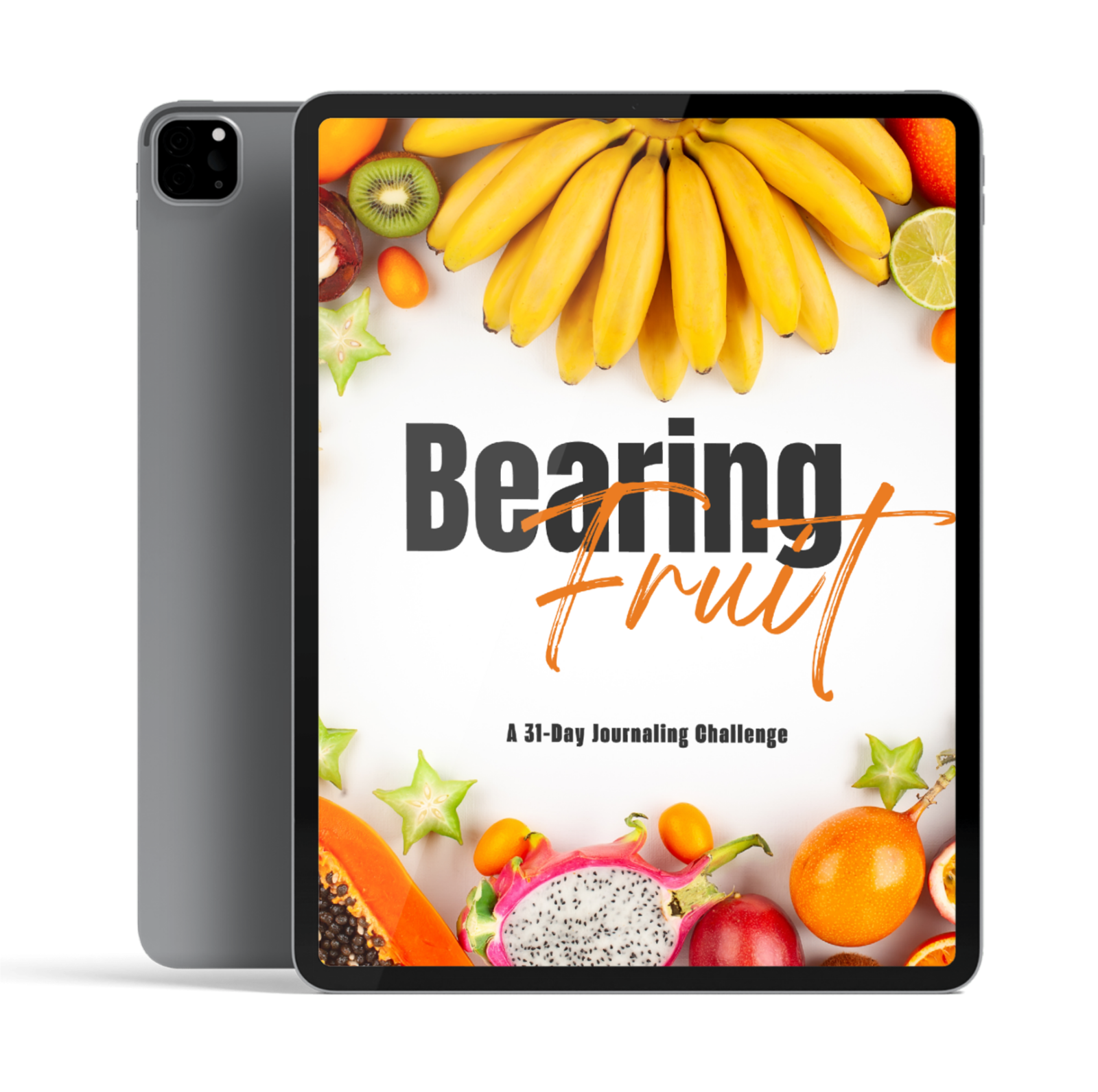
That is where we would begin. Our Bearing Fruit - A 31-Day Fruits of the Spirit Journaling Challenge ($5.00) works through Galatians 5:22-23 with daily Scripture, guided prompts, and reflection questions, and it includes access to the Pen Warriors Facebook community for accountability and monthly live check-ins.
If you have tried journaling before and it never stuck, the difference here is structure: a daily topic, a passage, and a prompt, rather than an empty page and good intentions.
Get started with IndiWrites and turn one bold step into a daily practice.
Frequently Asked Questions
What does it mean to live boldly and intentionally as a Christian?
It means making daily choices that reflect your faith rather than waiting for a big moment. Living boldly looks like wearing a Scripture tee to the grocery store, speaking with grace in a tense conversation, or setting aside twenty minutes for prayer before the day starts. Intentionality is the planning part: deciding in advance what you will wear, read, and give so your actions line up with your beliefs. Small, repeated choices build a visible testimony over time.
How do I choose religious merchandise that reflects my beliefs?
Read the message on the item before you buy it and ask whether you would be comfortable explaining it to someone who asks. Check what the product is made of and whether it will hold up to regular wear, since a shirt that pills after three washes does not serve as a long-term witness. Match the item to your actual routine: activewear for the gym, a hoodie for school pickup, a journal for your morning quiet time. Purpose beats impulse every time.
How can Christian apparel start meaningful conversations?
A visible message invites a question, and your answer does the rest. When someone comments on a Bible verse on your T-shirt, you can respond in one sentence about why that verse matters to you right now, then ask what they think. Keep it short and warm rather than turning it into a sermon. The goal is a real exchange, not a conversion script. Most conversations end there, and that is fine. Some continue later, which is where the deeper work happens.
What are thoughtful faith-based gifts for women?
A guided journal usually lands better than another decorative item because it gives the recipient something to do, not just something to display. Pair it with a note about why you chose that specific resource, especially if she is walking through grief, a transition, or a stretch of anxiety. IndiWrites offers several options at $5.00, including Fearless, Bearing Fruit, and Abide, plus Wellness 365 at $49.99 for a yearlong format. Match the gift to her season rather than to your own preferences.
